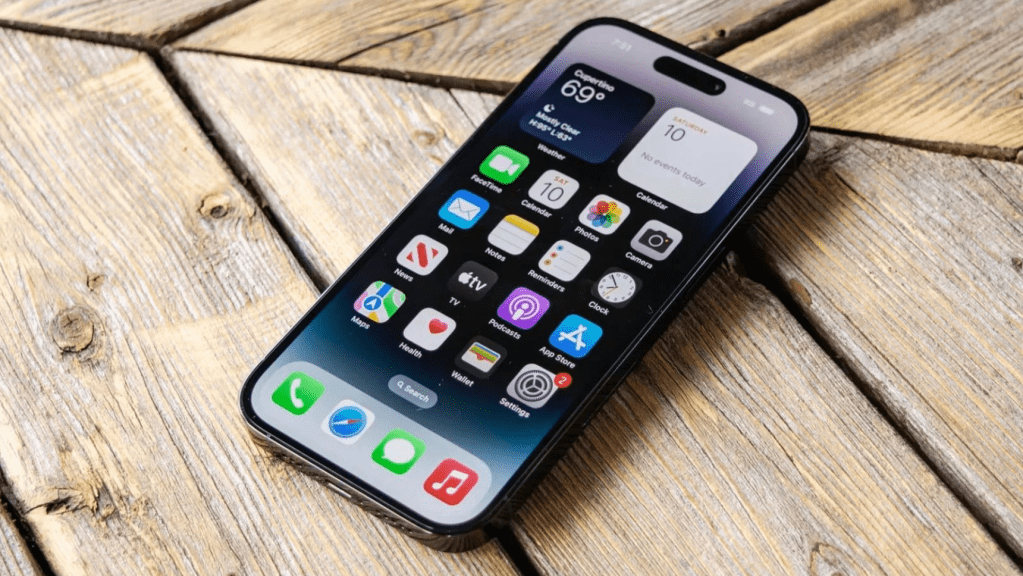
Our school collects phones in the morning to protect learning; research in cognitive psychology strongly supports this approach. Even when silent, a phone reduces working memory and weakens sustained attention; moreover, students who switch between tasks retain less information overall. Therefore, removing phones during classes likely improves comprehension and academic performance.
However, the current structure surrounding phone collection creates avoidable problems:
- Phones must be turned in early in the morning, and there is only one ten-minute break during the entire day. If a student misses the collection window by even one minute, that student loses the only break available. This policy, while well-intentioned, leaves students feeling controlled and seems unnecessarily punitive.
- The absence of a grace period is especially problematic. A minor timing mistake should not result in losing the entire day’s opportunity for mental rest. Moreover, this rigidity creates resentment rather than responsibility. Discipline should teach proportional consequences, not impose absolute penalties for small errors.
- This draconian system also places significant strain on Mrs. Laten, the bookkeeper. Mrs. Laten is responsible for collecting the phones of the students who missed the strict deadline. As a consequence of this policy, multiple students at once will often ask her for their phones during the phone break. This puts her in a position where she is being bombarded with requests from wild students, producing daily stress and unnecessary emotional burden. No one meaningfully shares that workload with her, and so revising this policy is not only about students, but about treating faculty with fairness as well.
At the same time, fully returning phones to students for the entire day would be a mistake. First, it would reverse a long-standing policy abruptly, likely creating confusion and chaos. Second, most students are not yet capable of managing constant access responsibly during class. The research on distraction remains clear; phones must stay out of classes.
A stronger proposal would preserve morning collection while making three key adjustments.
- First, the collection window should remain open until the end of davening. This provides a reasonable grace period. If a student turns in a phone after davening ends, that student would lose the first break only, not all access for the day. The consequence would remain meaningful but proportional.
- Second, the school should institute three structured phone breaks, rather than one. One after the first two Gemara periods, one during lunch, and one during PE. These distributed breaks would reduce fatigue, improve morale, and create a healthier rhythm between focus and recovery.
- Third, the school should pair policy with education. Occasional seminars on attention, digital self-control, and responsible technology use would prepare students for college and the workforce. In those environments, phones are not confiscated, and people must manage themselves. Therefore, we should gradually train self-regulation rather than rely solely on restriction.
Critics may argue that additional breaks will weaken discipline. However, structured access is not the same as unrestricted access. Others may claim that grace periods reduce accountability, yet proportional consequences strengthen legitimacy and long-term compliance.
In short, collecting phones protects learning. Nevertheless, the surrounding structure should be refined. A policy that balances focus, fairness, staff well-being, and student preparation would better serve the entire school community.




 The Valley Torah Scroll
Leave a comment