Written by Uriel Vahdey
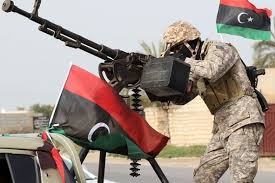
Libya has been a North African country rich with oil. During the age of colonialism, Libya was under Italian rule, which was marked with heavy consequences. Some of these were land confiscations and forced labor. The repercussions of Italy’s colonialism were from brutal resistance led by Omar Mukhtar, who was executed in 1931. After the World War, Britain and France split Libya into two zones, which reflects its future civil conflict. In 1951, Libya became the first African country to gain independence. Muammar Gaddafi was the second ruler and dictator to tightly control Libya for 40 years. His reign was marked by heavy military suppression, which led to a NATO-backed uprising. Mass protests and riots also contributed to Gaddafi’s fall and subsequent death. Instead of peace, chaos ensued as different militias and tribes sought to control the fragmented country. This resulted in the country being divided in two with the UN-backed Government of National Accord in the west, and the Libyan National Army led by Khalifa Haftar in the east. Libya became a location of proxy wars with the UN, Turkey, and Qatar supporting the west while Russia, Egypt, and the UAE supporting the east. The civil war included bombings, street battles, and control over oil fields. Millions of civilians were displaced because of the conflict, and migration across the Mediterranean Sea occurred. Although a temporary unity government was formed in a 2020 ceasefire, violence still continues to this day, and elections are repeatedly delayed.



 The Valley Torah Scroll
Leave a comment