Written by Elijah Soufer
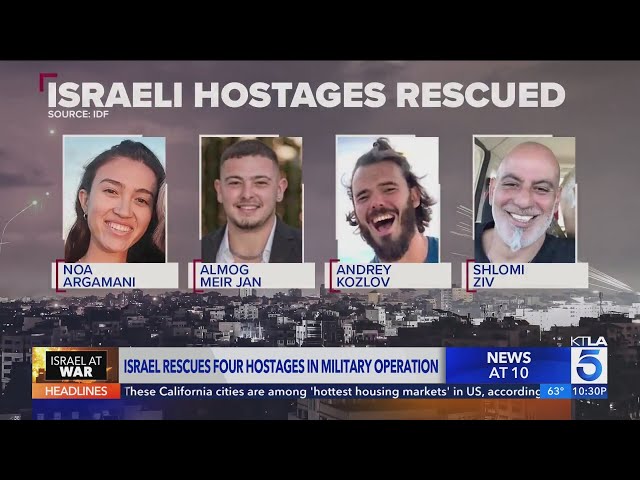
Four hostages who were being held in Gaza have been successfully freed in a stunning change of events, which represents a critical turning point in the attempts to defuse the volatile situation in the Middle East and put an end to the war. The Palestinian terrorist group Hamas abducted the hostages, which included two aid workers, a journalist, and a local contractor, a few months ago.
The outcome of intensive planning and collaboration between Israel’s intelligence and military services was the rescue mission. To get information and negotiate terms for the captives’ release, diplomatic channels, local authorities, and international intelligence organizations put in endless effort.
In order to reduce risk and maximize the element of surprise, the mission launched early in the morning. The mission was led by special military personnel with extensive training in counterterrorism and hostage rescue operations. It was said that the procedure went quickly—less than an hour. While ground forces controlled the area, drones conducted aerial observation. The hostages were taken out right away, and they were flown to a secure area for debriefings and medical assessments.
There has been a great deal of relief and gratitude for the successful rescue. The hostage families conveyed their appreciation for the world community’s and the rescuers’ efforts. “Joy and relief overflow within us. A family member remarked, “We are so grateful to everyone who helped bring our loved ones back safely.
International leaders have also praised the operation. “This successful rescue underscores the importance of international cooperation in resolving such critical situations,” said the UN Secretary-General. To stop these kinds of things from happening and guarantee the security of journalists and aid workers everywhere, we have to keep cooperating.”
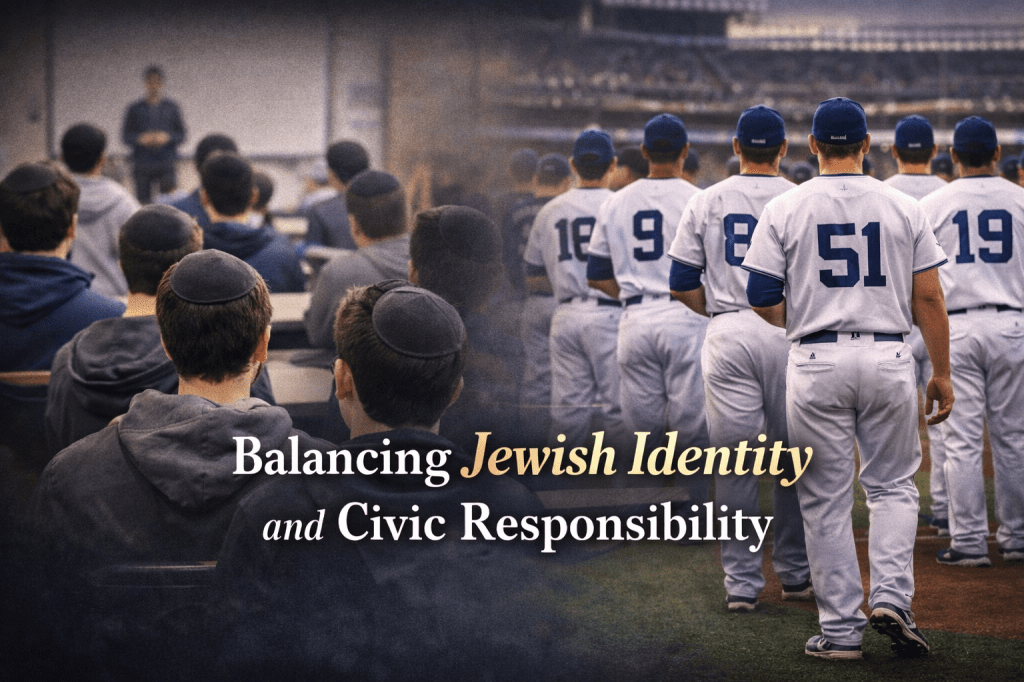
Despite the success, the situation in Gaza stays unresolved. The rescue operation has highlighted the ongoing need for comprehensive peace and stability efforts. Valley Torah has been saying Tehilim every day since the war began in both the Ashkenaz and Sephardic minyan. Students are given specialized cards containing two perekim of Tehilim on them with each of them obtaining a special soldier’s name. In the Ashkenazmiyan, they recite the tehilim every day after davening while in the Sephardic minyan, they recite it during the opening of the Torah. Valley Torah is not the only people praying for the success and safety of Israel, but the unity in the worldwide Jewish community has been better than ever before and the amount of chessed done in honor of those captives is truly immense. If we want to end the war, we must continue to do chessed, say tehilim, and bring the ge’ula.



 The Valley Torah Scroll
Leave a comment